
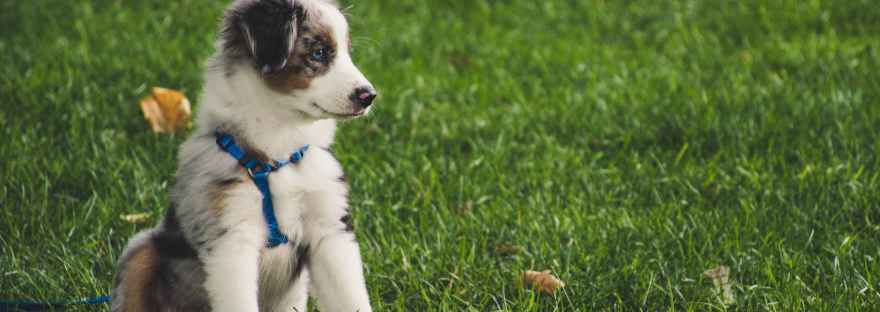
Congratulations on your new furry friend! No matter what kind of puppy you got, you’ll have lots of fun, and lots of frustrations are to come. Fear not, however, I’ll give you some insights on what you should expect and when from birth and beyond in this post!
Birth to Week 8
From the time puppies are born they fully rely on the mother. On the unfortunate chance that the mother should abandon her pups then humans will become the mother figure. They will be blind and deaf, with their ears folded down and their eyes close. Around 2 weeks old the puppies will begin to open their eyes and a few days later their hearing will start to develop. If your fur-baby’s ears are supposed to stand up (as seen with the German Shephard) then you’ll have to wait for a few more months. Between weeks 4-6 the mother will begin to wean her babies off, and you should have your puppy at 8 weeks.
Week 8-12
Shark phase
Your puppy is a shark! Almost literally! Puppies go through three phases of teeth: the milk teeth, the puppy teeth, and the adult teeth. This means two major chewing periods for your shoes to go through. By now, your puppy’s baby teeth should be in and by 12 weeks of age your puppy’s baby teeth will begin to fall out to make room for the adult teeth. Normally, the pups will swallow their teeth with their food, but at times you may find teeth wandering around the floor. If you find your pup bleeding, don’t fear! Confirm that the bleeding is coming from where your pup’s teeth should be and watch your pup. The bleeding will eventually stop on its own, just like when you were a kid.
You’ll also find that your puppy is more scared than other dogs you see. Why is that?
Fear Phase
Puppies go through 2-3 “fear phases”, according to the AKC. The first fear phase starts at around 8-11 weeks old and will last around 2-3 weeks. This will be the time that your puppy decides what they’ll be fearful of in the future, and it’s very important that you recognize that anything from the vacuum to a falling leaf may scare them during this first period. Don’t force interactions with your puppy but give lots of praise and treats and love whenever they conquer their fears!
How to Survive
- Keep a handful of toys specifically designed for teething and keeping your pupper’s mind engaged such as KONG’s chew toys.
- During the fear phase, encourage your puppy to be curious, take them to dog-friendly places often, and coninue to engage in training.
- DON’T chase them with an object they may be attacking.
Around 2 weeks old the puppies will begin to open their eyes and a few days later their hearing will start to develop.
Month 3-5
Here comes the chewer for your shoe! By now you’ve probably learned that you needed to have “puppy proofed” your house, and your furry friend should have lots of toys by now. By now, they probably even have a favorite. They’re also too big for their kennel or their bed, if you’ve got a bigger dog, however you may find that they aren’t listening to you as much also.
Teenage Phase
This is the stage your puppy will be testing their boundaries, and it’s important that you don’t become a pushover. I like to call this period the “trash panda stage” or sometimes “the counter surfer stage”. If they haven’t discovered the goodies in the trash yet, they will, so make sure you put a lid on that trash can! Got a counter surfer? Don’t leave anything out on the counter, or if you have to push it back where they can’t reach it.
Your adult dog suddenly not getting along with the puppy? Are they snapping and showing signs of aggression? Don’t be alarmed! Your adult dog is simply helping you by teaching the pup manners. Always supervise these interactions, but your adult dog isn’t trying to be mean.
Your puppy is also going through its final fear phase. Again, this will only last a few weeks, so take care not to chase your pup when it’s afraid.
How to survive
- Patience is the key here. Don’t repeat the commands you’re teaching your puppy over and over again. Instead, say it once, and allow them to get distracted, redirect them with another command and reward immediately when they follow it.
- Watch your adult dogs around the puppy and decide when you need to intervene. It may sound aggressive, but most likely your puppy is listening to them about as much as they’re listening to you.
- Play with your puppy as much as possible or take them on long walks to help them go to bed at night
Month 6-11
By now, your pup should be almost fully grown. Depending on your vet, you may be getting your dog spayed/neutered by now.
When to spay/neuter
My dog is already 6 months old, so why is my vet telling me to wait on a spay/neuter? Excellent question! It’s only been a recent development that vets will wait approximately 1 year or longer to spay/neuter, and there appear to be a myriad of reasons for it depending on the breed of your pet. Some vets claim that it will decrease the likelihood of early obesity, especially in males. Other vets, and the one you’re most likely to find in a Google search, is that early spay/neuter will affect growth or other orthopedic issues. Always consult your vet and listen to their concerns, and you should voice your concerns as well.
Continuation of Teenager!
You may also find some other frustrating behaviors such as selective listening and sudden aggressive behaviors and lack of concentration during training sessions. Maybe your pup has become less and less food motivated as well. This is the teenage phase of most dogs, and unfortunately won’t go away anytime soon.
Puppies go through 2-3 “fear phases”
1 year and beyond
You’ve survived the puppy phase…sort of. Actually, some breeds of dogs will continue a type of puppy phase beyond 1 year and into 2 or 3 years of age. You’ll start to notice your puppy is no longer a puppy…but they’ll always be your puppy.
Some experts agree that your pup could still have a couple more fear phases to get through, and others also agree that there are two main fear phases.
No more shoe chew!
According to many veterinarians, your puppy should stop excessively chewing on things by 18 months of age! However, boredom can still lead to your dog chewing sometimes, so make sure you have appropriate chewing toys like hooves and sticks made from wood fiber or hemp.
How to survive
- Keep up the training and positive reinforcement!
- Continue to teach them new tricks.
Don’t forget to keep up on the vaccination plan set by your vet and your state! I also highly recommend you license your dog with the state if you haven’t already. The reason for this is less of the government is always watching you and more of if your dog escapes and runs off without you, and they’re picked up by Animal Control or dropped off to the Humane Society of your state then they can easily look up your dog and they know that they’re updated on rabies, and they can call you. If your dog bites someone, even by accident, and it’s reported then, depending on your state, you may have the option of quarantine your pup at home, or Animal Control will quarantine your pup at a discounted rate/free of charge.
Good luck with your baby sharks! I’ll have more posts soon to go more in depth about how to teach your furry friends basic commands, new tricks, and odd ones so stay tuned!

 ADHDoggo