

There’s a saying that’s as old and tiring as the whole “alpha dog” thing: Dogs are completely colorblind. I remember hearing this and thinking as a child that my dog could only see in black and white tones. Well, that would explain why they could still find the red ball in the grass, right?
Science has come a long way since I was a kid in the 2000’s. We’ve learned so much about dogs, including their eyesight. It turns out we were completely wrong about what dogs can and can’t see.
What is Color blindness?
Color blindness is a condition that’s uncommon in humans. You see, at the back of our eyes we have cells called “rods” and “cones”. The cone cells are what allow us to see an array of colors, and the way they react lets our brain know what kind of color we see. We have three cone cells, making us trichromatic, and they’re sensitive to green, blue, and red, and work together to create other colors we see. Compare that to birds, which are tetrachromatic, meaning they have 4 cone cells responsible for identifying even more colors than what we can see!
Color blindness in humans mean that a person doesn’t have the cone cells responsible for allowing us to see certain colors, or the cone cells simply do not work as intended. You know the funny dot test that the eye doctor gives you (if you wear glasses you know) and you have to figure out the numbers in the middle of the circle? Some people can’t see those. Red-green color blindness is the most common type of color blindness, meaning a person can’t see shades of red and green, and even colors in between may have difficulty differentiating the different colors. Blue-yellow color blindness is less common, and it can be hard to tell the difference between blue and yellow and sometimes the shades in between. Very rarely humans will have monochromatic vision, but it happens. This means that all colors are hard to see.

Humans are the only mammals that are trichromatic. Most mammals have only 2 types of cone cells that are responsible for handling color, but some humans fit into this category of being dichromatic, which is why we have the term color blindness.
Tale of Two Cones
Dogs are like every other mammal in that they have two cone types that discern the colors blue and yellow. That’s not very many colors, especially if you know your color wavelengths.
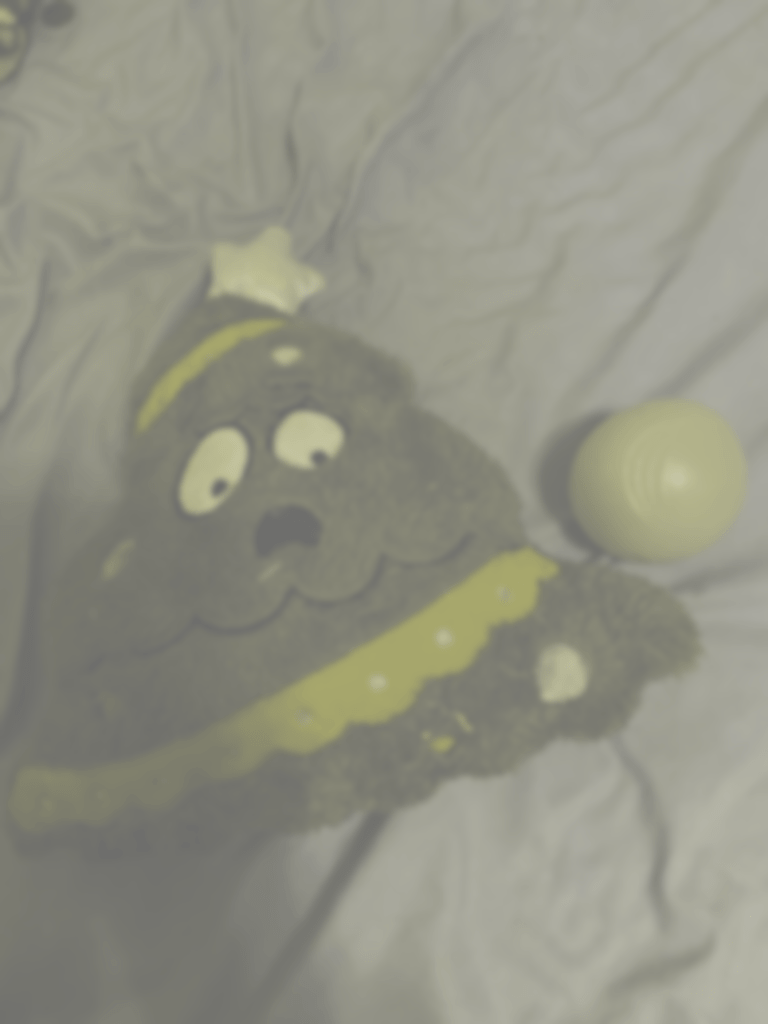
So, that red ball that you have? Does your dog find it easily if he loses sight of it? If your dog is anything like my dog, the answer is that they act confused and run right past it several times even though you can see it. That’s because they don’t have that cone that allows us to see that red ball. What’s even worse is that, unlike us, their cones don’t work together to create the combinations of green, so they only see the hues of yellow and blue.
Red balls may appear grey or brown in color but blue items stand out in that yellow grass.
The Story of Bluey
TikTok is full of stories of people’s dogs watching the show Bluey. Bluey if you live under a rock or your country doesn’t get Australian shows imported, is a cartoon of a Blue Heeler named Bluey, and his family. It’s beloved even among adults in America. This has prompted the popular fan theory that Bluey is made in only hues that dogs can see, or in the very least the foreground characters are.
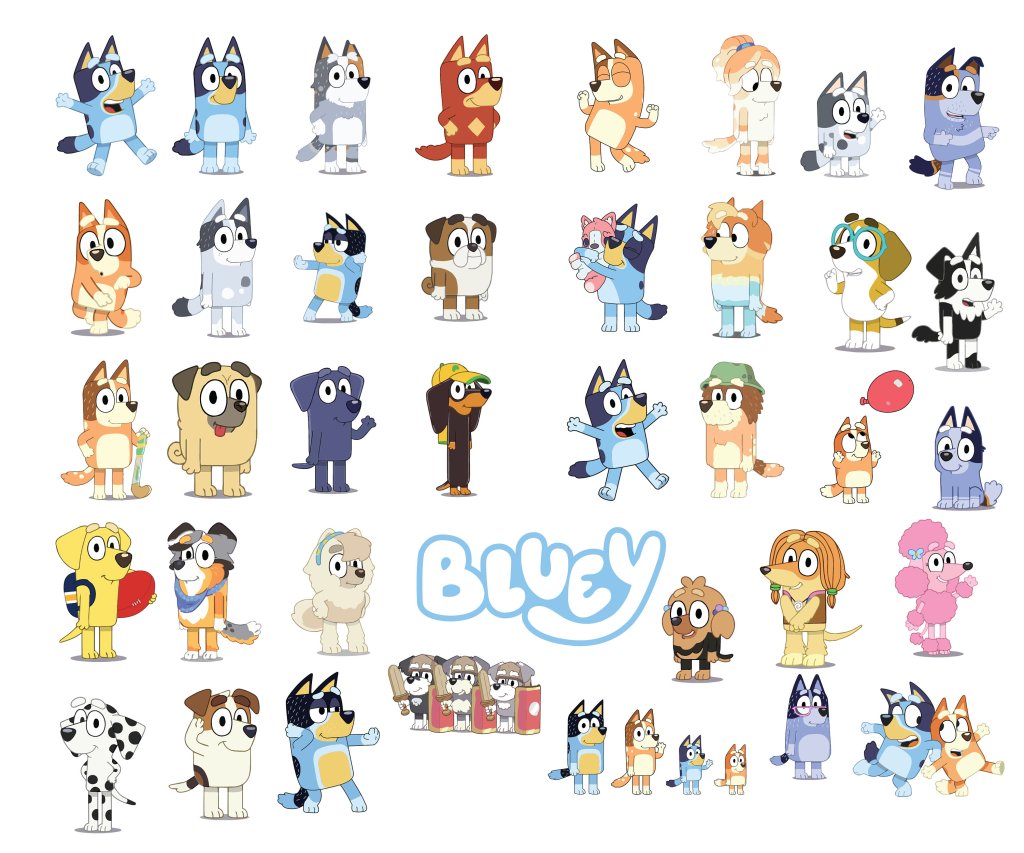
Maybe not a very accurate theory, as many of the characters do sport accessories or even colors themselves that dogs don’t completely see, it does appear that many of the other main characters are easily seen by dogs.

The creators haven’t said how accurate the fan theory is but knowing that dogs can see the show much better than other shows explains why they’re so interested in Bluey.
Conclusion
Maybe the fan theory of Bluey isn’t accurate but everything else in this article is very accurate. Getting toys in blue and yellow may be what helps them find the ball better in the grass next time, or may keep your dog interested in the toy they’ve always been disinterested in. Our furry companions are smarter than we give them credit, they just can’t see that red ball you seem to love.
Let’s hear from you! Does your dog like Bluey more than your kid? Share your stories in the comments or share this with a friend who is a little too obsessed with red.

 ADHDoggo