
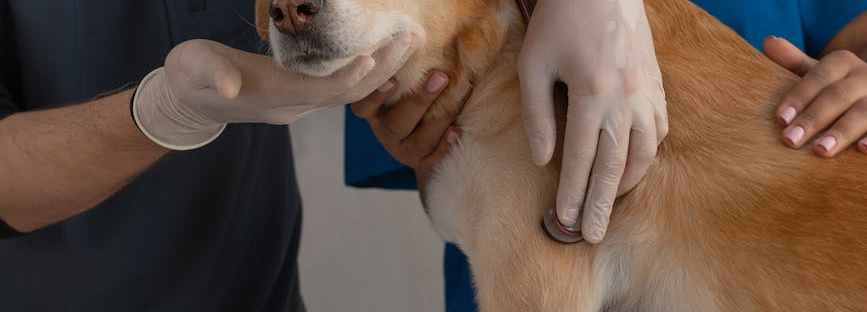
There’s a new illness going around, but this time it’s our canine friends who are at risk! According to reports from as early as October, a mysterious canine infectious respiratory disease started to make its way through Oregon and the northwestern states in the United States in mid-August.
Working with dogs so closely, I’ve been keeping my eye on it since the initial reports started in October, but never did I believe it would make its way so far so quickly.
What is this mysterious illness? Should we be worried about it? How can I keep my dog safe?
Mysterious Cough
It starts with a cough, according to vets. Over 200 cases have been reported in Oregon alone, but nobody really knows how many cases there really have been. Testing for other types of canine infectious respiratory disease complexes (CIRDC) doesn’t seem to work, meaning everyone has been coming up negative in nearly every other testing we currently have.
My coworkers have lovingly named this mysterious CIRDC as “Canine Covid”, due to the similarities: a mysterious illness breaks out starting with a cough, even some of the symptoms seem to be similar and can cause pneumonia as well, it’s as contagious as Kennel Cough. Symptoms appear within 24-48 hours after being infected, leading us to believe that this is a viral infection. Viral infections tend to appear quicker and spread faster than bacterial infections.
Just like with Kennel Cough, the dogs that are the most affected by this mysterious illness are dogs who go to day care/day camp, grooming salon, kennels, and anywhere else that may house dogs for a considerable amount of time.
Which States are affected?
As far as we know, the most affected states have been Oregon, Colorado, Illinois, Washington, “and may other states”, according to CNN. Experts believe that it could be much more widespread, however. As of this writing, as many as 10 states could be affected.
Signs and Symptoms
The signs and symptoms are very simple and could be mistaken for any other CIRDC, but so far, the most common symptoms include:
- Cough (dry or wet)
- Nasal Discharge
- Eye Discharge
- Lethargy
- Increase Respiratory Rate
Other symptoms may include:
- Fever
- Refusing to eat
- purple or blue hued gums
My Dog is showing symptoms!
If your dog is showing symptoms listed above, then call your vet immediately. They’ll want to treat the symptoms as they appear and make your dog as comfortable as possible. The longer you wait the greater chance your dog will develop pneumonia.
How can I avoid this?
Experts are torn by this. Many don’t have much to offer.
As someone who works in a place where this could potentially spread, I recommend exercising caution and considering avoiding places such as grooming salons, kennels, dog parks, and any location where dogs you don’t know may have direct or indirect contact with each other.
Some dogs, however, need to go to be groomed regularly, in which you have 2 options: attempt the groom yourself (which can be done with some breeds but may require some learning with others) or ask your groomer questions about what precautions they’re taking. Particularly, pay attention to what they say about:
- Disinfecting tools
- Ask if they plan on disinfecting all equipment including their tables and kennels after each dog.
- Dogs with coughs
- Ask if they plan on continuing to groom dogs who have developed a sudden cough.
And, of course, you can help too by picking up your dog immediately after they inform you that they’re ready to go home. That way, they’re hopefully less likely to pick it up from a dog that may come in later.
If you plan on bringing your dog somewhere with dogs that you do know, such as a friend or family member’s house, I advise that you ask the following questions:
- Has your dog been coughing in the last 48 hours?
- if yes: are there any health conditions that could cause your dog to cough? (Common health conditions are heart disease and heart murmurs, “tracheal collapse, reverse sneezing” can sound like coughing as well, or allergies.)
- Has your dog had any nasal discharge in the last 3 weeks.
- Again, nasal discharge can happen from health conditions, mainly allergies.
- Have you gotten your dog evaluated by a vet?
- if no: can you please get your dog evaluated as a safety precaution for both of our pets? I will do the same.
Just like when we humans had Covid-19, even if you KNOW the dog, you should still take care to ask questions about their health.
Of course, as soon as you see signs of coughing, take the precaution to contact your vet for an appointment immediately. Even if the cough ends up being minor, it’s better to front the money now rather than wait and risk your dog also developing pneumonia.
Conclusion
Your dog doesn’t have to spend time in isolation, but you should take careful precautions so that your loved one doesn’t get sick. So far, this illness isn’t transmissible to humans and seems to resemble closer to Kennel Cough in symptoms so far. By asking questions and keeping your dog away from other dogs as much as possible, you can ensure your pet is happy and healthy.
I will continue to update this page as new information comes out! Please share information in the comments below, and if your dog was affected by this mysterious illness, please, tell us your story!

 ADHDoggo